
Not every startup begins with funding or strategy.
Some begin with frustration.
The story of RedBus is not just about technology—it’s about solving a real-world problem and building trust in a market that wasn’t ready.
💡 The Idea: A Common Problem
In 2005, Phanindra Sama struggled to book a bus ticket during Diwali.
The system was broken:
No centralized booking
No real-time availability
No transparency
That frustration led to a simple idea:
👉 What if bus tickets could be booked online—easily and reliably?
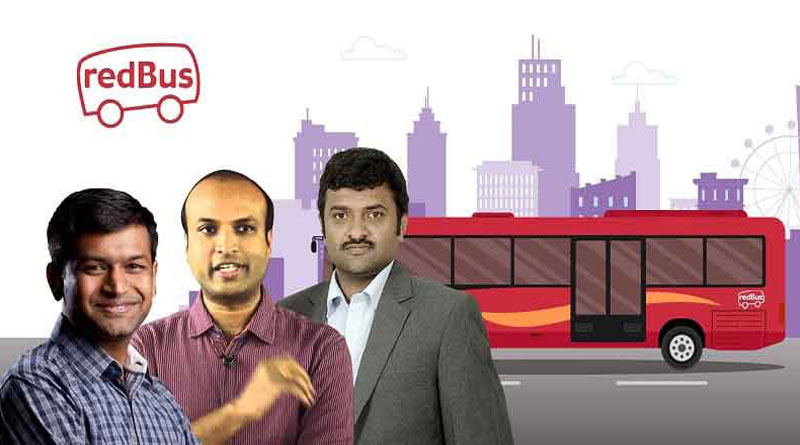
Along with Sudhakar Pasupunuri and Charan Padmaraju, he started building the solution.
🛠️ The Struggles: Early Challenges of RedBus
Building the platform was the easy part.
Changing behavior was not.
Major challenges:
Bus operators didn’t trust online systems
Limited internet penetration in India
Customers hesitated to pay online
Lack of digital infrastructure
The founders pitched relentlessly.
Most responses were negative:
❌ “This won’t work in India.”
❌ “We don’t need this.”
Still, they kept moving forward.
📉 The Silent Failure Phase
Unlike dramatic failures, RedBus faced slow growth:
Low initial bookings
Customer drop-offs
Operator resistance
Constant uncertainty
They were building ahead of their time.
⚡ The Turning Point: Building Trust
Instead of scaling fast, they focused on trust:
✔ Real-time seat availability
✔ Transparent pricing
✔ Instant confirmations
This created a shift:
More repeat customers
Increased word-of-mouth growth
Better operator participation
At the same time, India was evolving digitally:
📈 Growing internet usage
📈 Rising digital payment adoption
🚀 The Breakthrough
By the early 2010s, RedBus became:
India’s leading online bus booking platform
A trusted travel solution
A strong network of bus operators
💰 The Big Milestone
In 2013, RedBus was acquired by ibibo Group for over $100 million.
A landmark moment in Indian startup history.
✍️ Conclusion
RedBus didn’t start as a billion-dollar idea.
It started with a missed bus.
And it became a platform that transformed how India travels.
1. Solve Real Problems
Startups succeed when they address genuine pain points.
2. Trust Drives Growth
Customers value reliability more than features.
3. Timing is Critical
Being early is tough—but persistence pays off.
4. Consistency Wins
Success often comes from surviving long enough.
Startup Stories, Indian Startups, RedBus, Entrepreneurship, Case Study, Business Lessons, Travel Tech